
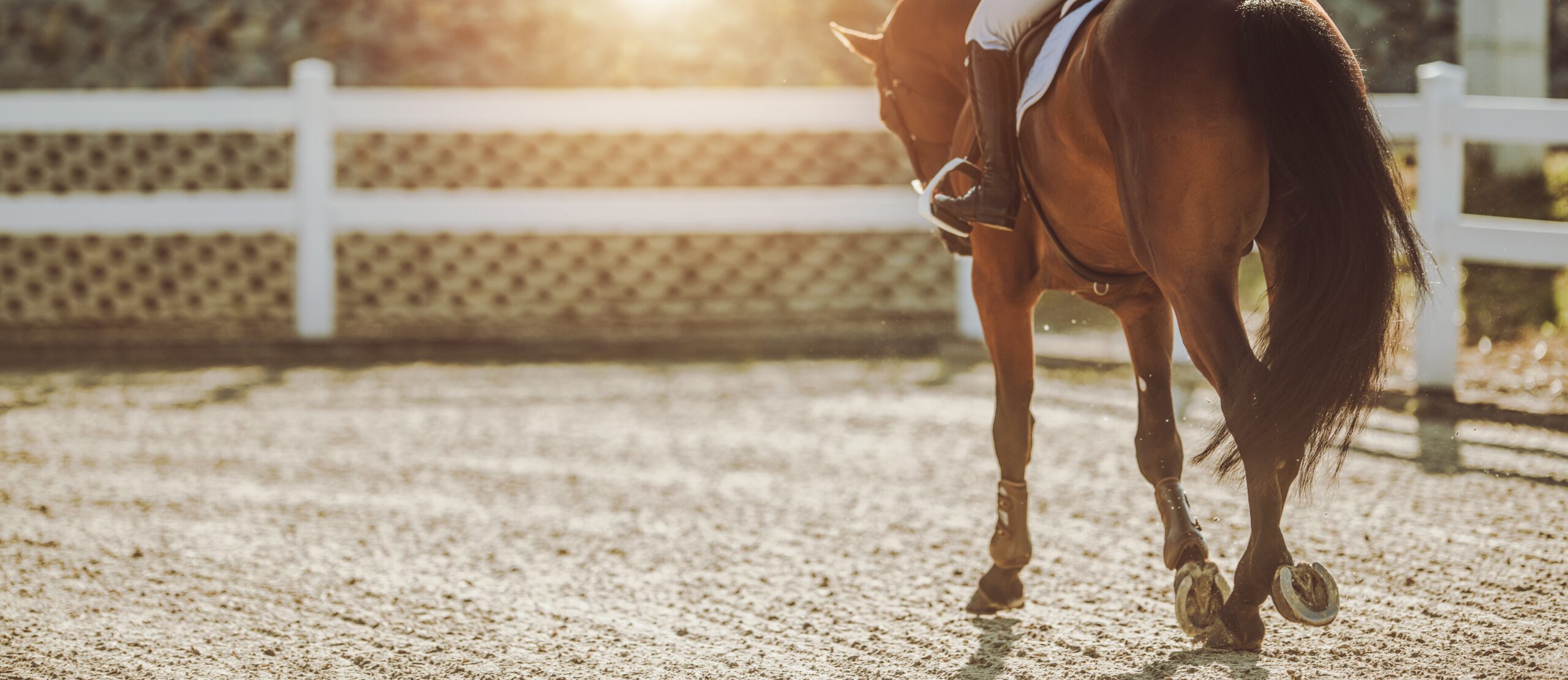
Harley, a 25-year-old Quarter Horse gelding has had the same owner since he was a young horse. He competes in ranch riding, trail rides several times a week, and does a weekly ranch riding lesson. In his earlier years Harley had a long reining career, dabbled in cow horse, and even served as a 4-H horse for several years. As a senior horse he’s still active, but his owners understand the importance of considering his age when making management decisions.
Harley has always been a cribber, and his teeth show the wear, so yearly dental exams are critical to keeping him healthy. Beyond that he gets annual vet checkups and receives joint maintenance, and overall, his veterinarian considers him to be healthy. Still, at his age, his owners wonder if they should adjust his nutrition to support him as an older performance horse.
Feeding the Aging Performance Horse
Natalie Sullivan, MS, an equine and livestock extension agent for the University of Montana, in Missoula, and owner of On Course Equine Nutrition LLC, says everyone has a different take on what defines a senior performance horse. “Senior feeds are the biggest selling equine product for any feed company,” she says. “But to me as a nutritionist, a horse is not a senior until they can’t chew forage properly. There are other reasons why you might be managing an older horse differently than a younger mature horse, but … in the case of (this) horse, they don’t really need a lot more nutrition until their teeth are the limiting factor.”
Understanding Senior Horse Feeds
Sullivan says senior horse feeds first appeared on the market in 1993. These feeds are high in fiber, soft for easy chewing, and often must be fed at high rates (6-8 pounds or more per day) to provide a balanced diet.
“Most of the time what is happening is owners are only feeding one pound when the feed is designed to be fed at a rate of 8-plus pounds per day,” she explains. “So, they end up causing deficiencies by feeding the wrong product.”
She adds that active senior feeds might not be complete feeds and, therefore, don’t replace forage. “The feed tag will tell you if it’s a complete feed or if it should be fed with hay.”
Challenges When Feeding Older Performance Horses
If an older performance horse starts losing weight, Sullivan advises making calorie adjustments first. “Calories. It all starts with calories,” she says. “Whether it’s grain or hay, we always balance for calories first.” This might mean adding more alfalfa hay or pasture or switching to an active senior feed. She says owners often make the mistake of thinking their horse needs a supplement, when he might just need more calories.
Sullivan also stresses the importance of keeping older horses moving. “Aging equine athletes need to be kept moving to keep muscles strong,” she says, also encouraging owners to stay on top of veterinary care, vaccines, and (joint) supplements, and to consult a nutritionist when a horse truly can’t chew hay or grass properly.
“There is a lot of anxiety around owning older horses,” she adds. But while they have a higher risk of developing some health problems, such as metabolic disorders, she says many can be managed and fed the same as younger, active horses.
So, what will Sullivan change about Harley’s feed program? Nothing—for now. Until he shows signs of trouble maintaining weight or other health problems, he’ll continue with his daily ration balancer, joint supplements, hay, and summer pasture, along with regular vet, farrier, and bodywork visits.
Take-Home Message
Older performance horses don’t always need senior feeds; owners should base feed choice on these horses’ chewing ability and body condition, not age alone. Sullivan says true senior feeds are generally designed for horses that can’t maintain weight on hay or pasture. For active seniors like 25-year-old Harley, priorities include calories, dental care, veterinary checkups, and regular exercise to support muscle and reduce injury risks.
Owners should read feed tags closely, feed at recommended rates, and seek guidance if weight loss or chewing issues develop. Until then, balanced rations, hay, and consistent care often meet senior equine athletes’ nutritional needs.