Nancy S. Loving DVM

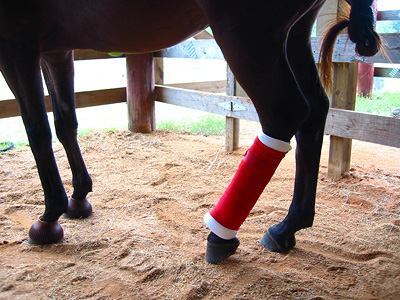
Immediate Wound Care promo image
A Horse Owner's Guide to Preparing for Equine Emergencies
When dealing with an equine health emergency, the last thing you want is to be scrambling for documents and first-aid materials. Here’s how to prepare.
Read More →
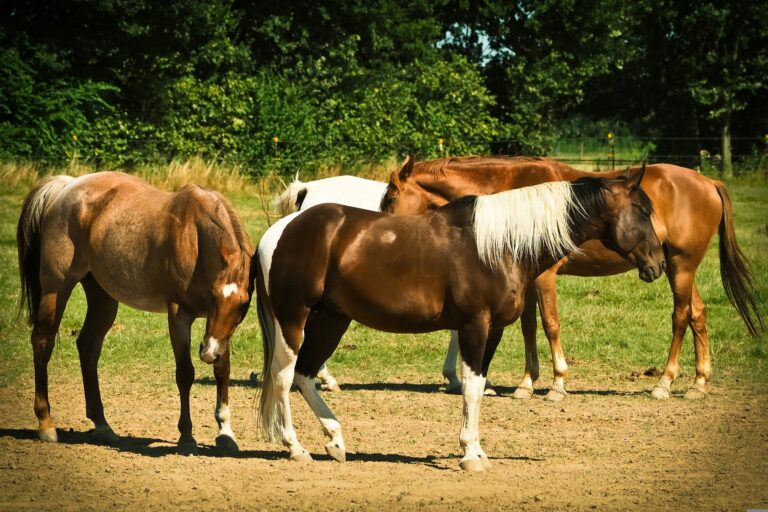
horses-g8e568a064_1920
Interpreting Equine Body Language
Understanding equine body language, including subtle and overt signs of discomfort, can help owners recognize signs of pain and distress early.
Read More →
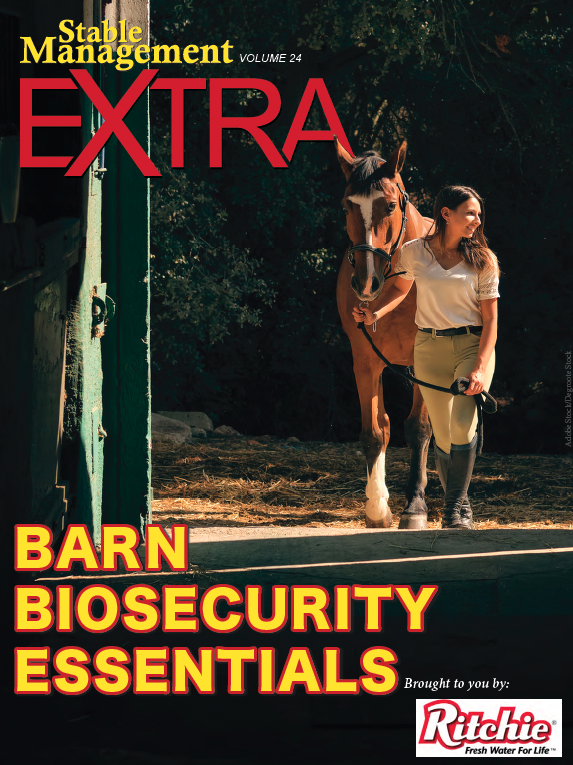
stable-management-extra-vol-24-barn-biosecurity-
Are your barn management practices making your horses sick?
In this volume of Stable Management Extra, Nancy S. Loving, DVM, shares biosecurity strategies to protect the horses on your property from disease outbreak and spread.
Read More →
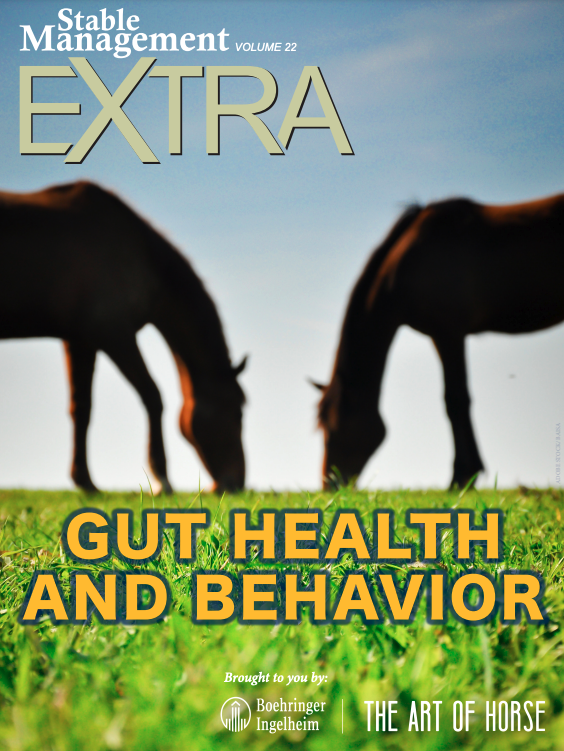
Stable-Management-Extra-Gut-Health-and-Horse-Behavior-
The Link Between Gut Health and Horse Behavior
You've probably heard "a horse is what he eats." There's a lot of truth to that!
Read More →
SM-Extra-interpreting-equine-body
Is Your Horse Hurting?: Interpreting Equine Body Language
Learn to "speak horse" and unlock a deeper understanding of how your horse is feeling.
Read More →
Screen-Shot-2022-07-18-at-10.51
Horse Shopping?: Checklist for Buying a Horse
In this volume of Stable Management Extra, Nancy S. Loving, DVM, shares helpful horse purchasing guidelines that come from nearly 40 years as a veterinarian and rider.
Read More →
Screen-Shot-2022-07-12-at-10.55
Caring for Stall-Confined Horses
Horses are naturally suited for life in a pasture, but for many stables, that luxury just isn’t possible.
Read More →
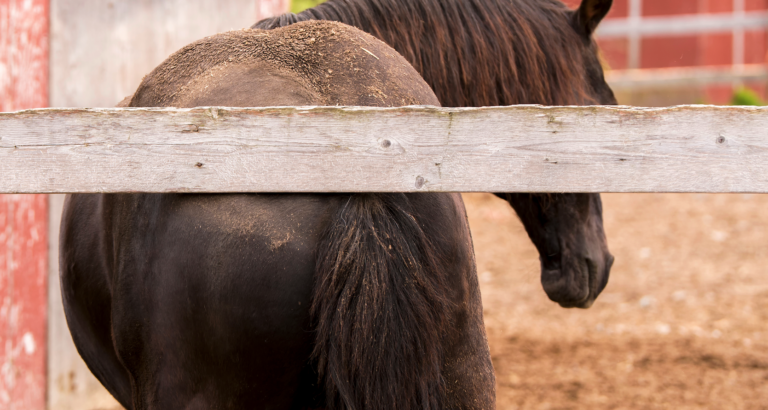
dark bay horse rubbing tail on wooden fence
Tail Rubbing in Horses: Causes, Diagnosis, Treatment, and Prevention
Seasonal tail rubbing is often a result of a hypersensitivity response to certain insects—in particular Culicoides gnats—which inject salivary antigens (proteins) in the insect bite.
Read More →
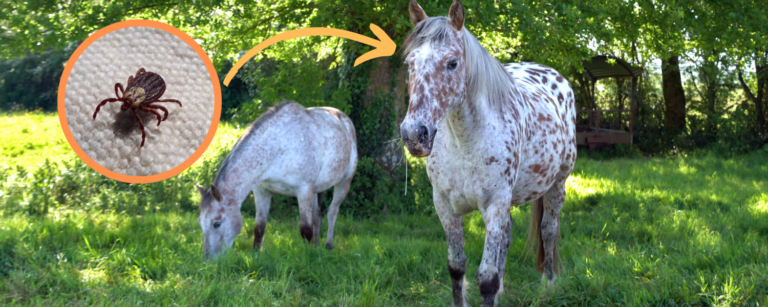
closeup of tick next to appaloosa horse grazing in pasture
Lyme Disease in Horses: Causes, Diagnosis, Treatment, Prevention
Lyme disease in horses is caused by infection with spirochete-shaped bacteria called Borrelia burgdorferi. The disease is passed to horses, people, and dogs through insect vectors, namely ticks.
Read More →
Load More →

GET NEWS & UPDATES

Oops! We could not locate your form.

Stable Management
Privacy Overview

This website uses cookies so that we can provide you with the best user experience possible. Cookie information is stored in your browser and performs functions such as recognising you when you return to our website and helping our team to understand which sections of the website you find most interesting and useful.