
We hear the phrase climate change often these days, but what does it mean for horse owners? How might it affect horse health, and what practical steps can we take to make our barns and properties more resilient?
In parts of the world, the effects are already being felt—and experts say they expect them to intensify over the next two decades. The University of Minnesota (UMN) Climate Adaptation Partnership reports that the state’s top 10 warmest and wettest years on record have all occurred since 1998. Minnesota has seen an average increase of 3.5 inches of precipitation per year since 1895, more frequent flash droughts, and significant winter warming.
Managing Horse Farms During Climate Change
For horse owners trying to manage horses and land, these rapid changes can feel daunting.
Katie Black, MS, an extension educator at UMN, in St. Paul, focuses her work on climate resilience and adaptation in agriculture. “We work with farmers in different landscapes, teaching how to plan now and prepare for the changes we expect to see down the road,” she says.
She puts this into practice through an educational workshop series where farmers build climate adaptation plans. “We highlight getting people to think about the risks they might be taking and any possible solutions,” she explains. “It’s not a one size fits all.”
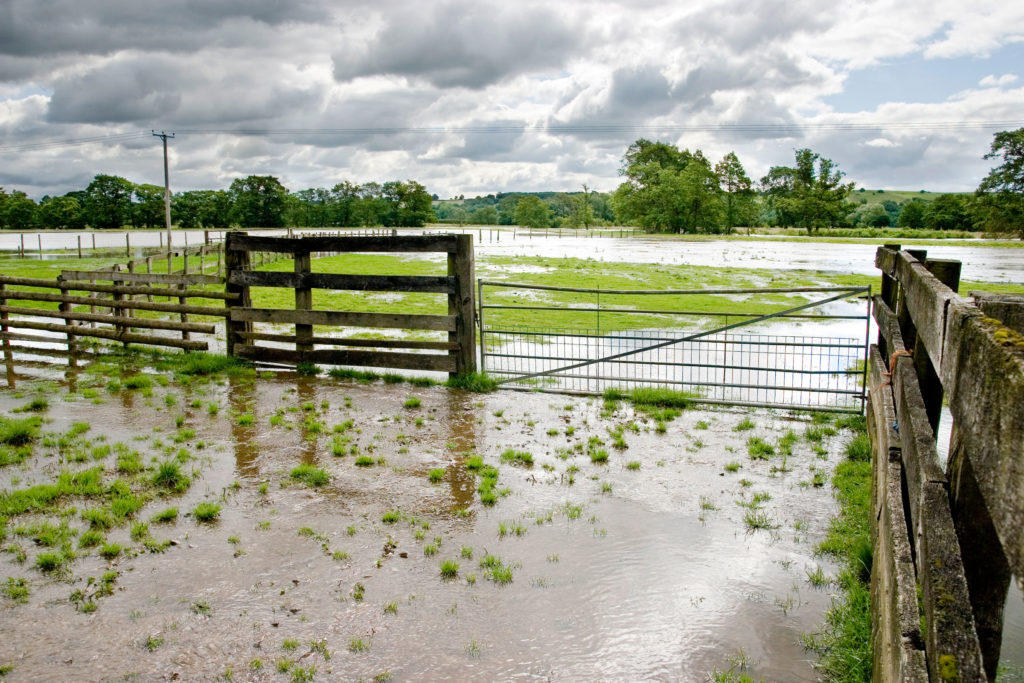
Black encourages farmers to explore adaptations such as diversifying or switching to drought-tolerant forage crops and pasture grasses, improving irrigation systems, and partnering with neighbors. “The goal is to build people’s ability to respond to and come back from weird weather patterns,” she says. “Precipitation has changed a lot. It is increasing but not exactly when you want it. It’s more about large, dramatic storms with more runoff likely.”
Data show a greater likelihood of swings between extremely wet and very dry conditions.
Climate Change Challenges for Horse Owners
One key climate resilience strategy for horse owners, she says, involves improving soil health. “Avoiding compaction in pastures helps reduce runoff (of rainwater, resulting in erosion of valuable topsoil) during storm events.” Adding compost to pastures or hayfields increases organic matter, helping soils store moisture and remain productive during dry spells.
Across North America, wildfires are also on the rise. Smoke exposure poses health risks to both people and horses. “Be aware and have air quality apps on your phone,” says Black. “Think about ways to reduce (smoke) exposure (when needed). Wear a mask. Increase ventilation in barns.”
Another step horse owners can take is expanding on-site water storage to prevent shortages during droughts. “We expect that some areas of the Midwest will be seeing additional weeks of very warm days, in the 90s,” she explains. “In these temperatures animals are at risk of heat exhaustion, so staying well-hydrated is one way to offset the heat. We expect warmer nights, too, which makes it even harder for people, animals, and plants to cool down.”
Warming temperatures and longer growing seasons might also mean more pests—especially flies. “Work on your IPM (integrated pest management) with your available professionals: extension, Natural Resource Conservation Service (NRCS), conservation districts, or trusted advisers,” says Black. “Pests can either arrive earlier due to warming temps or experience less die-off due to lacking cold temps.”
Take-Home Message
While preparing for climate extremes might feel overwhelming, Black reminds horse owners that updates don’t have to happen all at once. Consider the effects of weather events on your horses and property and be proactive in mitigating the risks.